Home Window Tinting: Benefits, Types, and Installation Guide
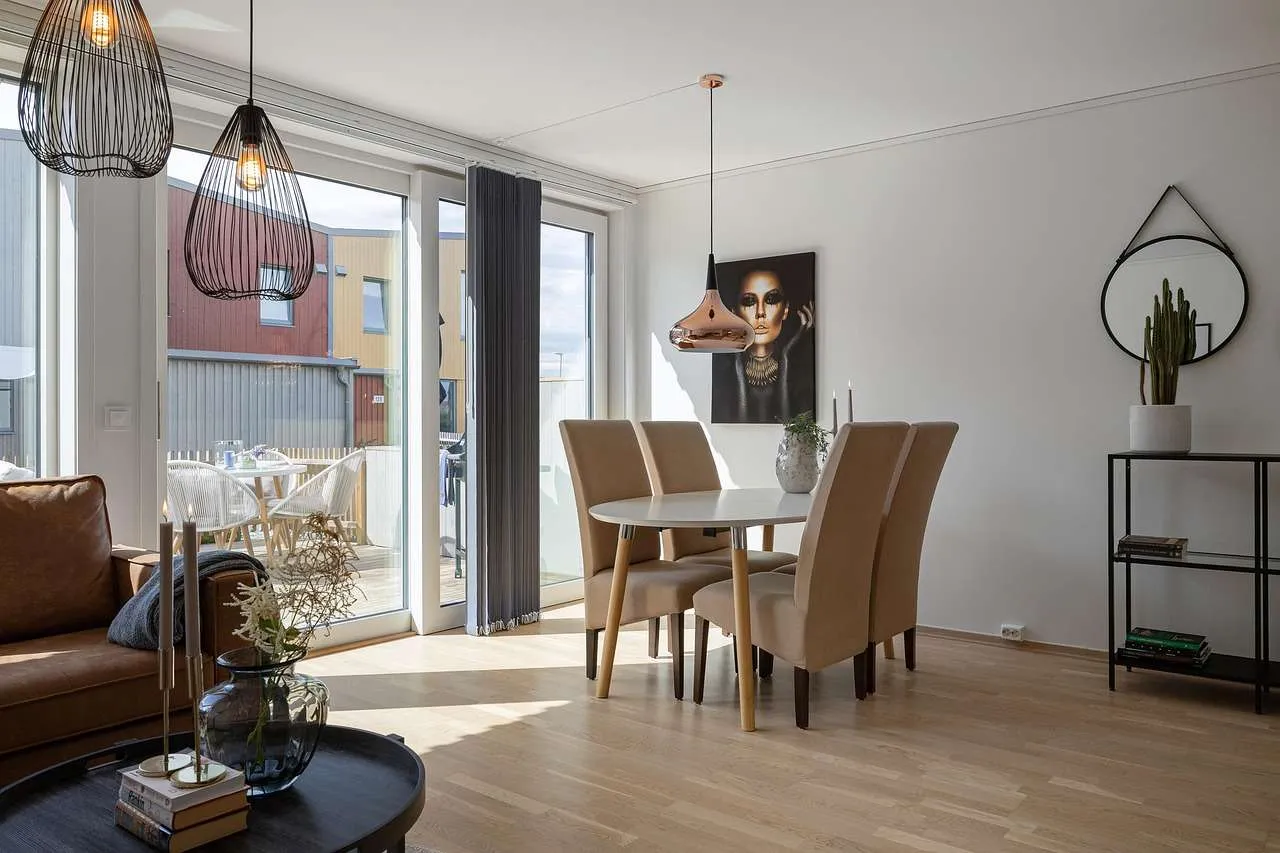
Introduction to Home Window Tinting
Home window tinting involves applying a thin film to glass surfaces to enhance privacy, reduce heat, block UV rays, and improve energy efficiency. As homeowners increasingly seek ways to optimize comfort and reduce energy costs, window tinting has gained popularity as an effective solution that also adds aesthetic value to homes.
Key Benefits of Home Window Tinting
1. Enhanced Privacy and Security
Window films can obscure the view from the outside without compromising natural light inside. This added privacy is beneficial for rooms that face busy streets or neighbors. Additionally, certain thick or safety films provide a layer of protection against window shattering, increasing security.
2. UV Ray Blocking
Harmful ultraviolet (UV) rays not only damage skin but also cause fading and deterioration of furniture, carpets, and art. High-quality home window tinting films can block up to 99% of UV rays, thus preserving interiors and protecting residents.
3. Energy Efficiency and Cost Savings
Tinted windows reduce solar heat gain during summer months, which lessens the load on air conditioning units. In colder months, certain films help retain indoor heat. This regulation of indoor temperature leads to significant savings on utility bills and reduces carbon footprint.
4. Glare Reduction
Window tinting minimizes glare caused by direct sunlight, enhancing comfort when watching TV, working on computers, or reading.
Types of Home Window Tinting Films
| Type | Description | Best Use Cases |
|---|---|---|
| Dyed Film | Uses a layer of dye to absorb solar heat and reduce glare. | Affordable option for glare and privacy improvement. |
| Metalized Film | Contains microscopic metal particles to reflect heat and UV rays. | Effective for high heat rejection and added window strength. |
| Carbon Film | Carbon particles provide a matte finish with durable UV protection and no fading. | Preferred for aesthetics and lasting performance. |
| Ceramic Film | Uses ceramic particles that block heat and UV without interfering with electronics. | Premium option for superior heat rejection and clarity. |
Considerations Before Installing Home Window Tinting
Local Regulations
Check local building codes or homeowners association rules, as some places regulate tint darkness and reflectivity to maintain neighborhood appearance.
Quality and Warranty
Select films with proven durability and opt for professional installation to ensure warranty coverage. High-quality films often come with multi-year warranties against bubbling, peeling, or discoloration.
Installation Process
Professional installers clean windows meticulously before applying the film to avoid imperfections. Installation can take a few hours depending on home size and window count.
Comparison of Home Window Tinting Types
| Feature | Dyed Film | Metalized Film | Carbon Film | Ceramic Film |
|---|---|---|---|---|
| Heat Rejection | Moderate | High | High | Very High |
| UV Protection | Up to 70% | Up to 95% | Up to 95% | Up to 99% |
| Glare Reduction | Good | Good | Excellent | Excellent |
| Durability | Moderate | High (may interfere with electronics) | High | Very High |
| Cost | Low | Moderate | Moderate | High |
Maintenance Tips for Home Window Tinting
To prolong the life of your window tint:
- Use a soft cloth and mild soapy water for cleaning. Avoid abrasive materials and ammonia-based cleaners.
- Avoid sharp objects near the film to prevent scratches.
- Inspect films annually for signs of peeling or bubbling and address issues promptly with your installer.
Conclusion
Home window tinting offers a wide range of benefits including increased privacy, UV protection, energy savings, and enhanced comfort. By selecting the appropriate type of window film tailored to your home’s needs and ensuring professional installation, you can improve your living environment while adding value to your property. Whether you prioritize cost-effectiveness, aesthetic appeal, or superior performance, there is a window tinting solution available to meet those goals.
Summary: Home window tinting is a smart investment to protect your home’s interior, reduce energy bills, and increase comfort. Understanding the different types of films and installation considerations ensures you choose the best option for your needs.